

Liposuction
Ultra-High Definition | VASER™ | Lipotherme™ | PowerX™ | Fat Transfer
Liposuction at Centers for Health Promotion is more than just fat removal – it marks the beginning of a transformative journey to uncover the best version of yourself. Using a hollow stainless steel tube (cannula) and a specialized vacuum, this highly effective procedure targets stubborn fat deposits beneath the skin, helping you achieve a slimmer, more sculpted silhouette.
At Centers for Health Promotion, we don’t just perform liposuction; we elevate it. Our approach combines the renowned tumescent technique with cutting-edge technology, ensuring precision, safety, and superior results. Unlike traditional methods, our patients remain awake and comfortable throughout the process, eliminating the risks associated with general anesthesia.
We’re passionate about helping you rediscover your natural curves and confidence while prioritizing your safety and comfort. Experience liposuction done the right way. Let us help you reshape your future.
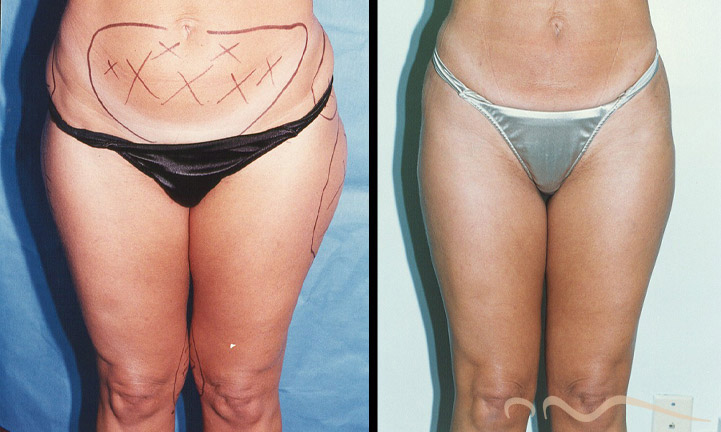
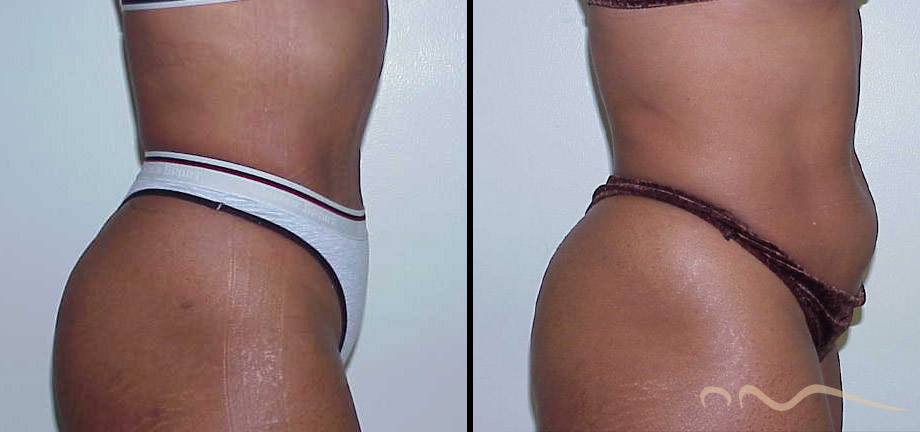
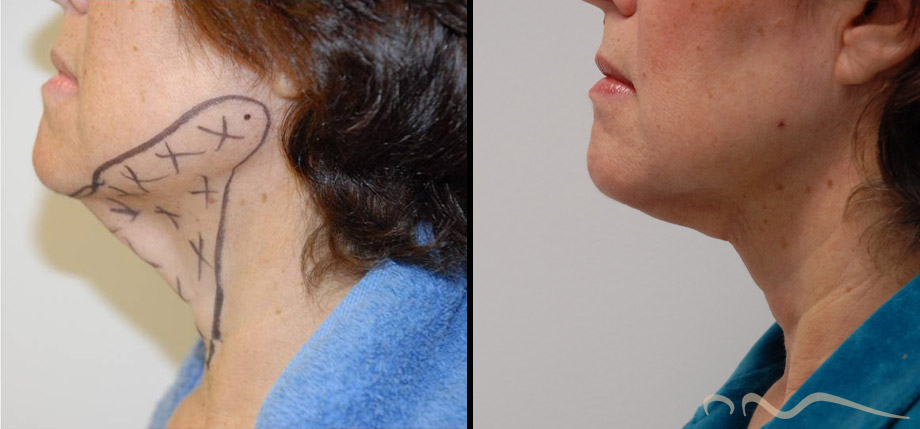
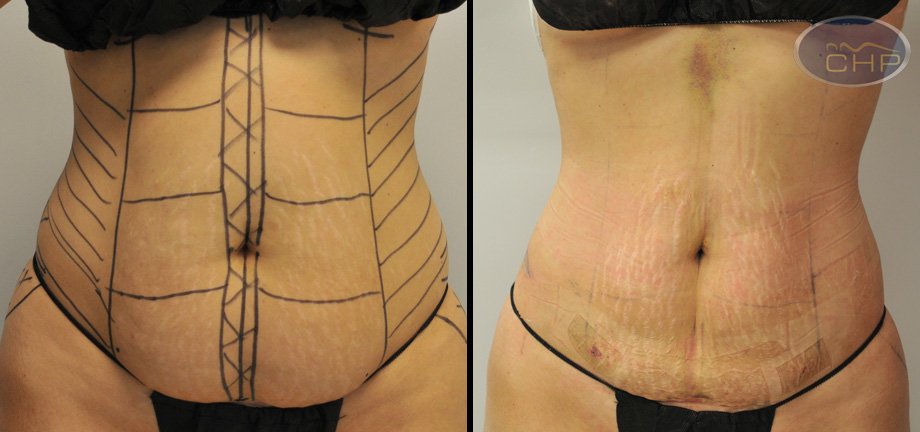
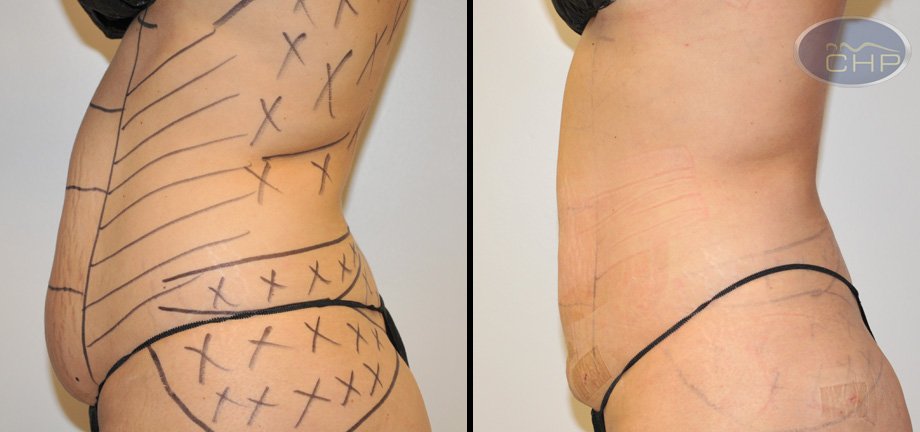
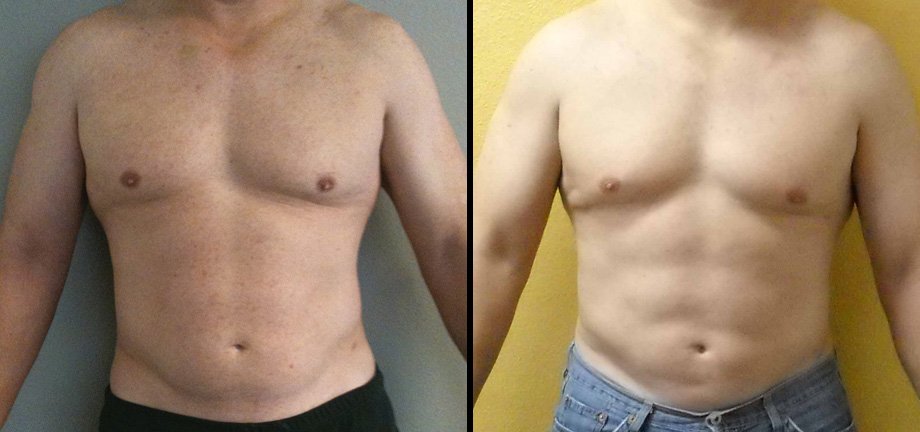
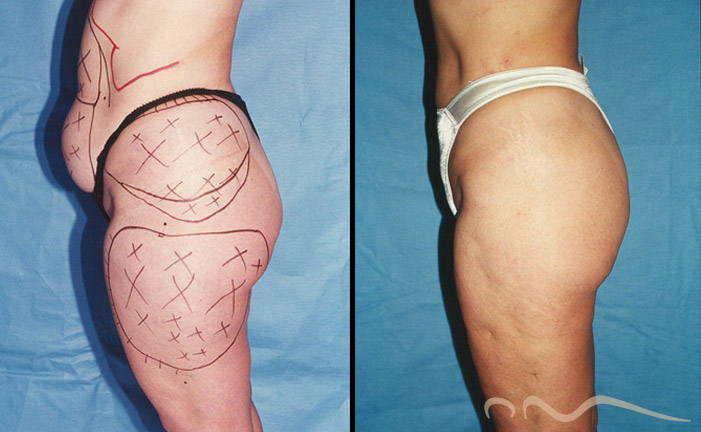
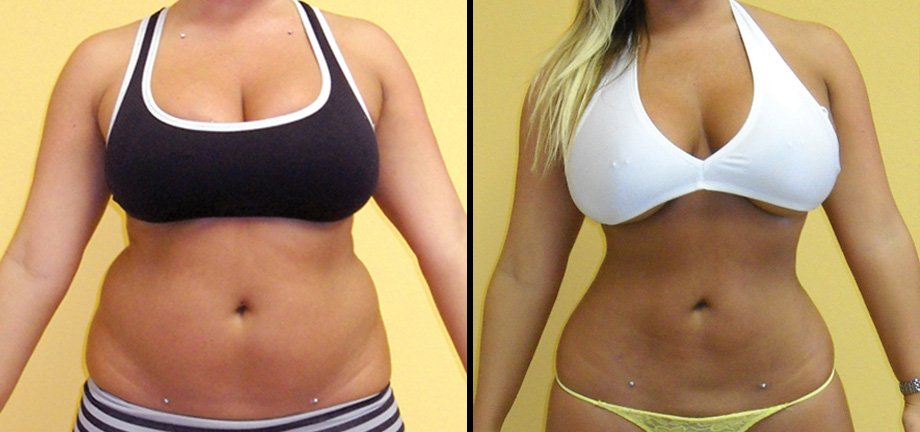
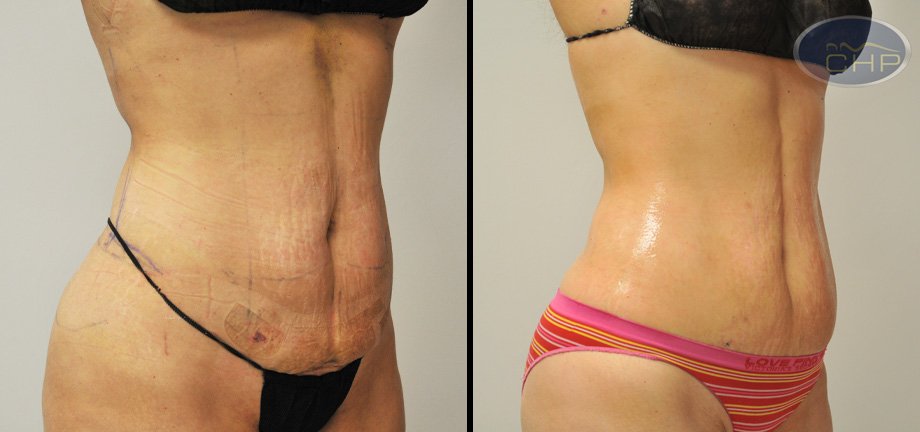
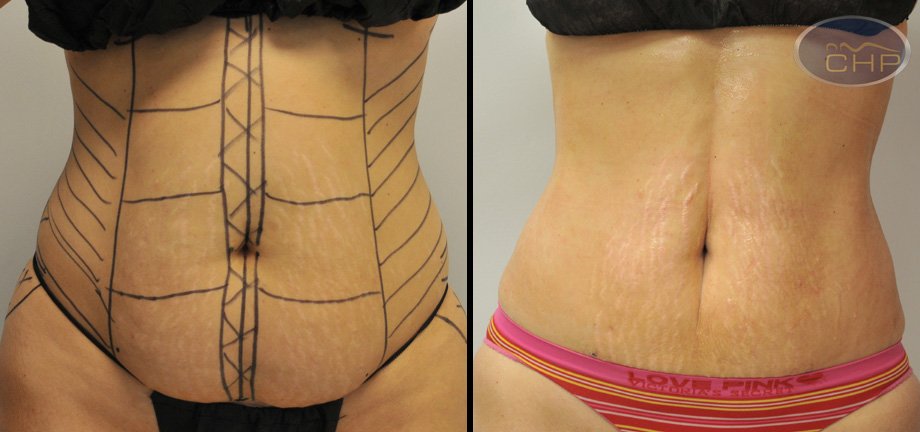
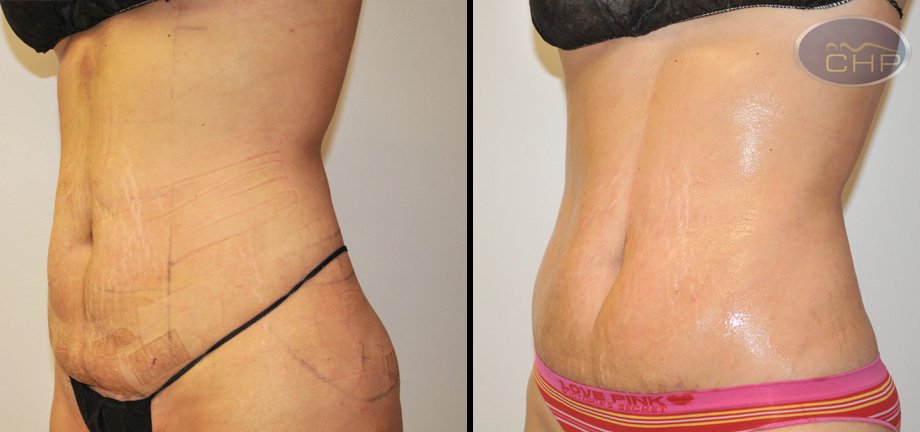
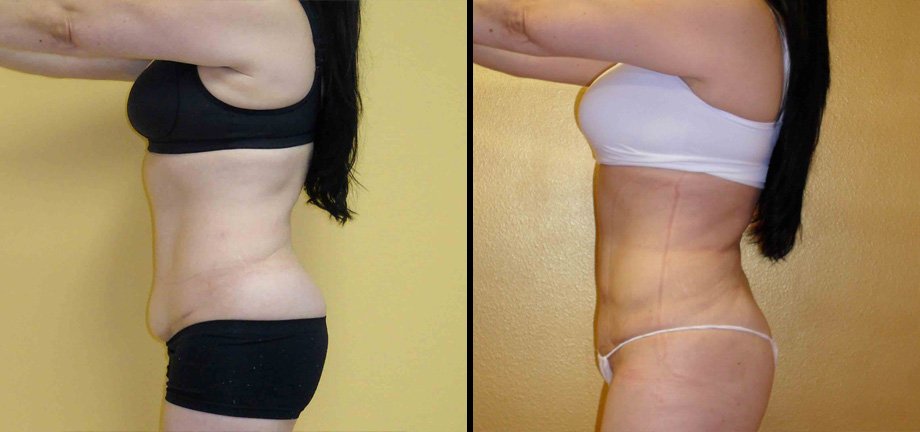
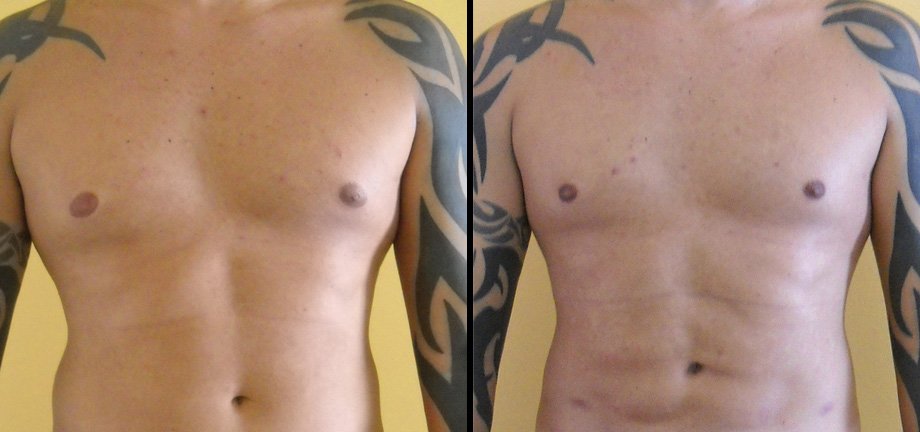
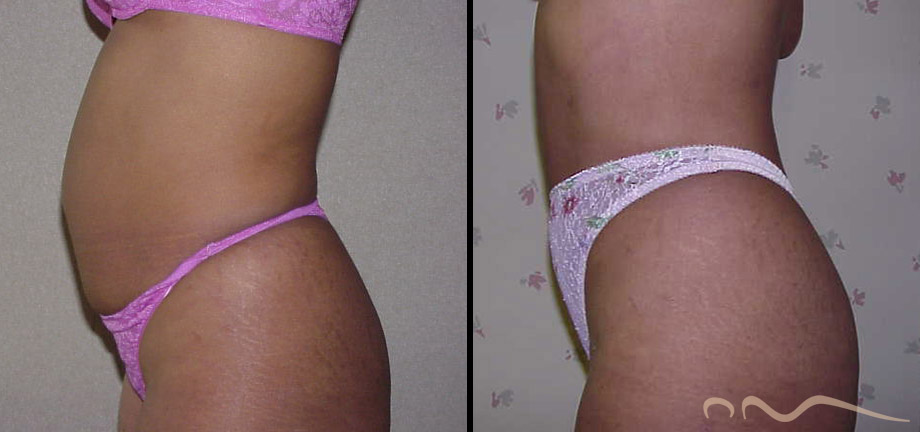
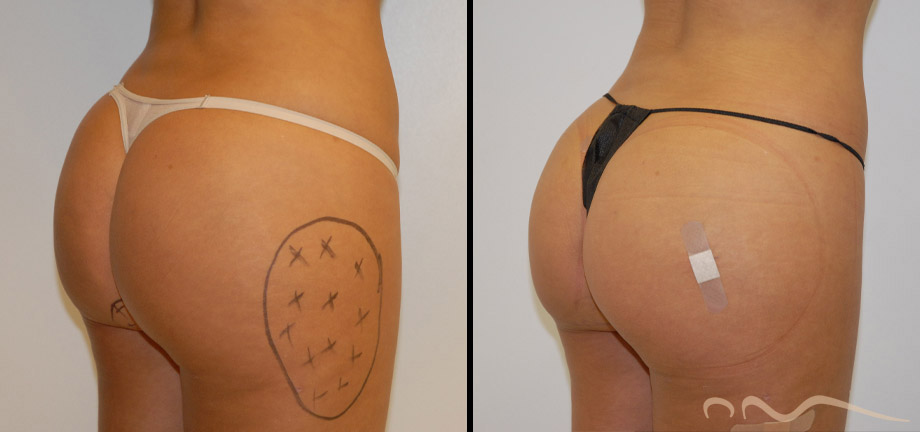
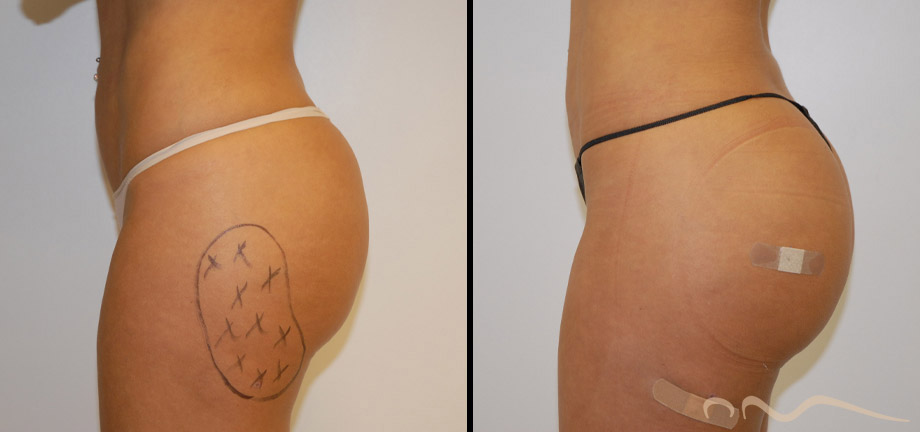
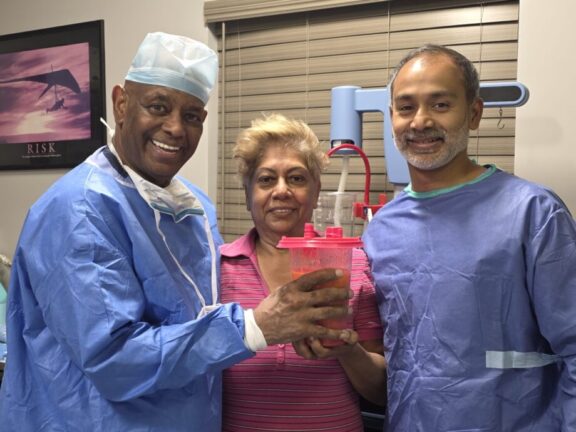
Ultra-High Definition (UHD)™ Liposuction Body Sculpting
UHD Liposuction/Body Sculpting is the latest and most exciting new offering at CHP. Using Vaser 1.0 or 2.0 and special techniques, we can not only flatten, but greatly enhance the definition and presence of muscles that may be hiding under a little fat. Popular among celebrities and elite athletes, UHD liposuction is now not only available to all of our potential patients, but is also more affordable than ever before. UHD is worth the trip to Florida alone, as many of our out-of-state patients have discovered.
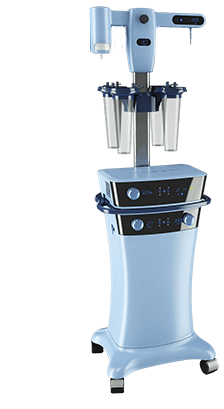
VASER 2.0™ (4th Generation Ultrasound) + Fat Transfer
LipoSelection® only by VASER® / Sound Surgical Technologies is latest-generation liposuction equipment that combines new patented technology with advanced surgical techniques to break up and melt fatty tissue. Unwanted fat can be efficiently removed from abs, arms, back, hips, knees, love handles, neck, chin, saddlebags and thighs. The VASER system is a state-of-the-art liposuction machine that features an ultrasound probe that melts fat, leaving surrounding tissue (such as nerves, blood vessels and connective tissue) relatively intact. The liquefied fat is then removed through our gentle suctioning process, through which damage to surrounding tissue is further reduced. Fat can also be harvested for transfer into other, more desirable areas of your body.
A hot trend in liposuction and body sculpting, fat transfer procedures use your own fat (removed from one area of your body) to volumize or contour another part of the body. VASER Lipo-treated fat is typically higher-quality, and easier to transfer for these types of procedures.
The amazing VASER liposuction system can also be used to harvest stem-cells from your fat cells, making it one of the most unique and significant pieces of medical equipment of any kind. CHP in Florida remains on the cutting edge by offering VASER 2.0 to our patients and future patients.
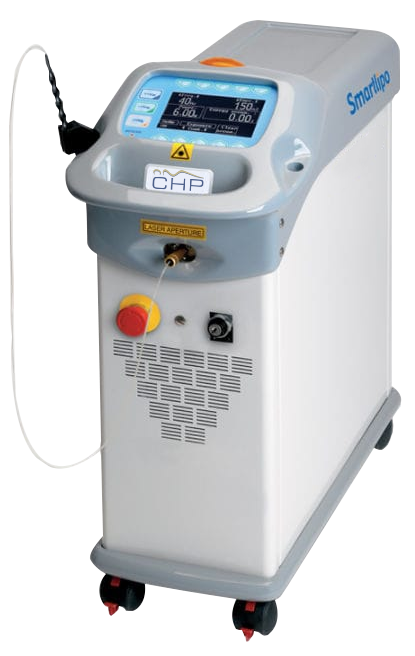
Smartlipo® Laser Liposuction System
With more than a decade of clinical success under its belt, Smartlipo® by Cynosure contines to serve as the gold standard in the world of laser lipolysis.
Smartlipo paved the way for laser lipolysis and body sculpting, and our classic 18-watt variant remains a proven, reliable choice for precision contouring. Using a fine laser fiber to liquefy targeted fat cells, the Smartlipo system allows for efficient suctioning and smoother results—all while causing minimal disturbance to the surrounding nerves, blood vessels, and connective tissues. This process not only helps reshape common trouble zones such as the abdomen, thighs, arms, and chin, but also encourages collagen production in the treated area, leading to firmer, tighter skin over time.
The Smartlipo 18-watt unit’s enduring design and track record make it an integral part of our comprehensive suite of body contouring technologies, offering patients a time-tested option for achieving a more sculpted, natural-looking physique.
Lipotherme™ Laser Liposuction System
Lipotherme is a revolutionary laser liposuction technology that utilizes a unique technology platform that quickly liquefies fat in cells, tightens skin and spares healthy surrounding tissue in less time than any other laser on the market. It allows dual absorption in water and hemoglobin; causing blood vessels to coagulate immediately, resulting in less bleeding, swelling and bruising. The simplicity and speed of the Lipotherme laser allows physicians to quickly master their laser-assisted lipolysis technique and optimize procedure time while creating exceptional patient results virtually pain-free with little to no side effects or downtime.
The Lipotherme laser cutting-edge in laser technology, designed to be compact and portable, it requires no special maintenance, and offers unparalleled ease of use, precision and control.
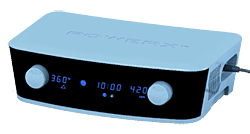
PowerX™ Power-Assisted Liposuction System (P.A.L.)
The power-assisted liposuction (PAL) technique traditionally features a cannula that vibrates at 4,000 vibrations/minute to easily break up the fat for suctioning. This technique has been replaced by the brand- new PowerX™ System by Sound Surgical Technologies.
Instead of vibrating, the PowerX liposuction system utilizes a superior rotational movement that allows for faster and safer treatment of fatty areas while reducing trauma to surrounding tissues. The physician has control over the rotation angle (how far the cannula rotates), and the rotation speed (how fast the cannula rotates). In deeper tissue, a higher rotation angle and speed allow for efficient de-bulking of larger areas. For precision sculpting, a lower rotation angle and speed can be chosen to treat more superficial layers. We love this tool at CHP in Florida and the exceptional products Sound Surgical continues to make.
Fat Transfer
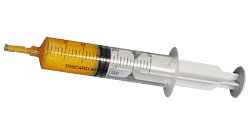
Our fat transfer procedure is a highly sought-after treatment that combines liposuction with body contouring, using your own fat cells to rejuvenate or enhance specific areas of your body. Unlike synthetic fillers, this technique leverages your natural tissue for a more organic and lasting result.
Popular areas for fat transfer include:
- Hands: Restore thinning, wrinkled hands to a smooth, youthful appearance.
- Lips: Achieve fuller, more luscious lips with your own natural fat, avoiding synthetic chemicals.
- Face: Smooth out fine lines and wrinkles, such as glabellar lines, perioral lines, and nasolabial folds, while restoring volume.
With this minimally invasive procedure, you can achieve a harmonious balance in your appearance while maintaining a completely natural look.
Tumescent Liposuction, Garments & Safety Information
Liposuction: Redefine Your Contours, Reclaim Your Confidence
Tumescent liposuction is a revolutionary technique that involves injecting large volumes of a very dilute local anesthetic solution into the fat, causing the targeted areas to become tumescent—swollen and firm. This method allows for precise fat removal while ensuring patient comfort and safety. Local anesthesia, widely regarded as the safest form of anesthesia, is exclusively used in this procedure. After surgery, most patients manage any discomfort with over-the-counter medications like Extra Strength Tylenol.
Why the Tumescent Technique is the Safest Choice
The tumescent technique is considered the safest form of liposuction available today. When performed correctly and within appropriate limits, it is remarkably safe, with no reported deaths from tumescent liposuction performed entirely under local anesthesia. The inclusion of a diluted epinephrine solution minimizes blood loss by shrinking capillaries, virtually eliminating the risk of surgical bleeding.
Post-Procedure Garments
To support healing and achieve optimal results, patients are advised to wear compression garments after surgery. These garments help the skin reattach to underlying tissues and promote smooth contouring of the body. Patients can conveniently order these garments prior to their procedure through our recommended suppliers.
Complications and Our Commitment to Safety
While complications are rare, potential risks such as seromas (fluid accumulation), skin irregularities, hematomas, or temporary numbness can occur. However, the choice of anesthesia plays a critical role in safety. Studies show that 97% of serious complications in liposuction are linked to the use of general anesthesia. These complications, including excessive blood loss and organ perforation, are virtually eliminated when local anesthesia is used.
At Centers for Health Promotion in Southeast Florida, Dr. Reynolds has performed over 125,000 procedures using the tumescent technique without significant complications. By exclusively using local anesthesia, we prioritize your safety and deliver exceptional results with minimal risks.
Schedule your consultation today to learn more about this advanced liposuction technique and take the first step toward achieving your aesthetic goals with confidence.